


Controlling the molecular weight of liquid octene polymers is a crucial aspect in the polymer industry, especially for us as a liquid octene supplier. The molecular weight of these polymers significantly impacts their physical and chemical properties, which in turn determine their applications in various fields. In this blog, I'll share some practical ways to control the molecular weight of liquid octene polymers based on our experience and industry knowledge.
1. Catalyst Selection
The choice of catalyst is one of the most important factors in controlling the molecular weight of liquid octene polymers. Different catalysts have different activities and selectivities, which can lead to polymers with different molecular weights.
For example, some Ziegler - Natta catalysts are widely used in the polymerization of octene. These catalysts can be adjusted to control the polymerization rate and the chain growth of the polymer. By changing the ratio of the components in the Ziegler - Natta catalyst system, we can influence the molecular weight of the resulting polymer. A more active catalyst may lead to faster chain growth and higher molecular weight polymers. However, if the activity is too high, it may also cause chain termination reactions to occur more frequently, which can lower the molecular weight.
Metallocene catalysts are another option. They offer more precise control over the polymer structure and molecular weight. Metallocene catalysts can produce polymers with a narrow molecular weight distribution, which means the polymer chains have similar lengths. This is very useful in applications where consistent properties are required. For instance, in the production of high - performance elastomers, a narrow molecular weight distribution can lead to better mechanical properties and processing performance.
2. Reaction Temperature
The reaction temperature plays a vital role in controlling the molecular weight of liquid octene polymers. Generally, as the temperature increases, the polymerization rate increases. However, higher temperatures can also increase the rate of chain termination reactions.
At low temperatures, the polymerization rate is relatively slow, and the chains have more time to grow. This often leads to polymers with higher molecular weights. But the low reaction rate may also result in longer reaction times and lower production efficiency. On the other hand, at high temperatures, the chain termination reactions become more dominant. The polymer chains break more easily, resulting in polymers with lower molecular weights.
For us as a liquid octene supplier, we need to find the optimal temperature range for each specific polymerization process. This usually involves a series of experiments to determine the temperature that gives the desired molecular weight while maintaining a reasonable reaction rate.
3. Monomer Concentration
The concentration of the liquid octene monomer in the reaction system can also affect the molecular weight of the resulting polymer. A higher monomer concentration provides more building blocks for the polymer chains to grow. As a result, the polymer chains can grow longer, leading to higher molecular weight polymers.
However, if the monomer concentration is too high, it may cause problems such as increased viscosity in the reaction system. This can affect the heat transfer and mixing during the polymerization process, which may in turn influence the molecular weight distribution.
Conversely, a lower monomer concentration reduces the availability of monomers for chain growth. This can lead to shorter polymer chains and lower molecular weight polymers. Therefore, maintaining an appropriate monomer concentration is essential for controlling the molecular weight of liquid octene polymers.
4. Chain Transfer Agents
Chain transfer agents are substances that can stop the growth of a polymer chain and initiate a new one. By using chain transfer agents, we can effectively control the molecular weight of liquid octene polymers.
Common chain transfer agents include hydrogen, mercaptans, and some low - molecular - weight alkanes. When a chain transfer agent is added to the reaction system, it reacts with the growing polymer chain, causing the chain to stop growing and transferring the active center to the chain transfer agent. This new active center then initiates the growth of a new polymer chain.
The amount of chain transfer agent added can be adjusted to control the molecular weight. More chain transfer agent will result in more frequent chain termination and the formation of shorter polymer chains, thus lowering the molecular weight. Conversely, adding less chain transfer agent allows the polymer chains to grow longer, increasing the molecular weight.
5. Reaction Time
The reaction time also has an impact on the molecular weight of liquid octene polymers. In the early stages of the polymerization reaction, the polymer chains start to grow. As the reaction time increases, the chains continue to grow, and the molecular weight of the polymer generally increases.
However, after a certain period, the reaction may reach a state of equilibrium. At this point, further increasing the reaction time may not significantly increase the molecular weight, and it may even cause some side reactions that can degrade the polymer and lower the molecular weight.
Therefore, it's important to monitor the reaction progress and determine the appropriate reaction time to achieve the desired molecular weight. This often requires regular sampling and analysis of the polymer during the reaction process.
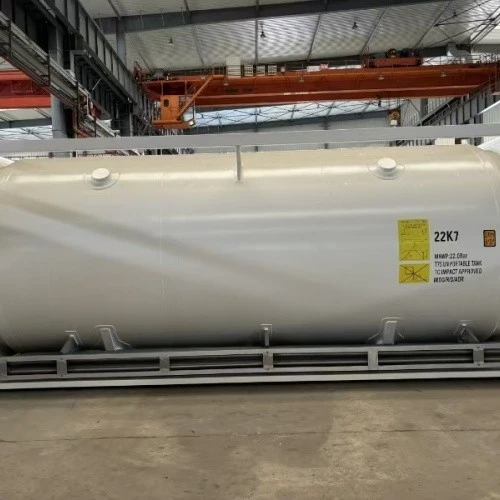

Related Products Links
As a liquid octene supplier, we also offer a variety of related products. You can check out these links for more information:
- Liquefied Propane Gas
- Liquid Isoprene 99.50%
- Pure Ethylene
- N - Butene 99.50%
- Industrial Cyclopropane
Conclusion
Controlling the molecular weight of liquid octene polymers is a complex process that involves multiple factors. By carefully selecting catalysts, adjusting reaction temperature, maintaining appropriate monomer concentration, using chain transfer agents, and controlling reaction time, we can produce liquid octene polymers with the desired molecular weight.
If you're interested in our liquid octene products or have any questions about polymer molecular weight control, feel free to contact us for further discussion and potential procurement. We're always here to provide the best solutions for your needs.


