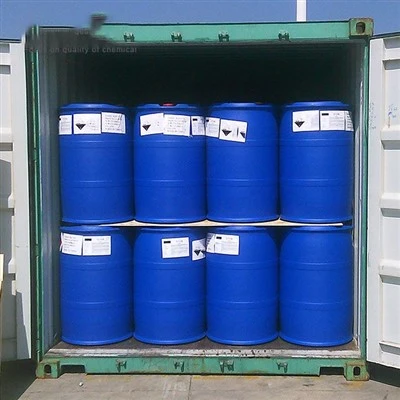
Managing the inventory of bulk materials is a critical aspect of running a successful bulk materials supply business. As a bulk materials supplier, I've encountered various challenges and learned effective strategies to ensure optimal inventory management. In this blog, I'll share some insights on how to manage the inventory of bulk materials efficiently.
Understanding the Nature of Bulk Materials
Before diving into inventory management, it's crucial to understand the unique characteristics of bulk materials. Bulk materials are typically produced, stored, and transported in large quantities. They can be solids, liquids, or gases, and their physical properties can vary significantly. For example, some bulk materials may be highly volatile, corrosive, or perishable, which requires specific storage and handling conditions.
In my experience, common bulk materials in the market include Liquid Tetramethylene Sulfone, Liquid Cyclopentane, N - Butene 99.50%, Industrial Isobutane Gas, and Isobutylene Gas 99.50%. Each of these materials has its own set of requirements for storage, transportation, and handling.
Forecasting Demand
One of the first steps in inventory management is accurate demand forecasting. This involves analyzing historical sales data, market trends, and customer feedback to predict future demand for your bulk materials. By understanding the factors that influence demand, you can make informed decisions about how much inventory to keep on hand.


For instance, if historical data shows that there is a seasonal increase in demand for a particular bulk material, you can plan ahead and increase your inventory levels accordingly. Additionally, staying updated on market trends and industry news can help you anticipate changes in demand due to factors such as new regulations, technological advancements, or economic conditions.
Establishing Reorder Points
Reorder points are the inventory levels at which you should place a new order to replenish your stock. To determine the reorder point for each bulk material, you need to consider factors such as lead time (the time it takes for a new order to arrive), average daily usage, and safety stock.
Safety stock is an extra amount of inventory that you keep on hand to account for unexpected fluctuations in demand or delays in the supply chain. By calculating the reorder point accurately, you can avoid stockouts, which can lead to lost sales and dissatisfied customers, while also preventing overstocking, which ties up capital and increases storage costs.
Implementing an Inventory Management System
An inventory management system is essential for tracking and controlling your bulk materials inventory. There are various software solutions available that can help you manage your inventory more efficiently. These systems can provide real - time visibility into your inventory levels, track inventory movements, generate reports, and even automate the reorder process.
When choosing an inventory management system, look for one that is specifically designed for bulk materials. It should be able to handle the unique characteristics of bulk materials, such as different units of measurement, storage conditions, and batch tracking. Additionally, the system should integrate seamlessly with your other business systems, such as your accounting and sales systems.
Optimizing Storage Space
Proper storage is crucial for maintaining the quality of bulk materials and maximizing storage space. When storing bulk materials, it's important to consider factors such as the physical properties of the materials, storage capacity, and accessibility.
For example, some bulk materials may need to be stored in specialized containers or tanks to prevent contamination or degradation. Others may require specific temperature or humidity conditions. By organizing your storage space effectively and using appropriate storage equipment, you can reduce the risk of damage to your inventory and make it easier to access and manage your bulk materials.
Managing Inventory Costs
Inventory costs can have a significant impact on your bottom line. In addition to the cost of purchasing the bulk materials, you also need to consider costs such as storage, handling, insurance, and obsolescence.
To manage inventory costs effectively, you can implement strategies such as just - in - time (JIT) inventory management, which involves ordering and receiving inventory only when it is needed. This can help reduce storage costs and minimize the risk of obsolescence. Additionally, negotiating favorable terms with your suppliers, such as volume discounts or longer payment terms, can also help lower your inventory costs.
Conducting Regular Audits
Regular inventory audits are essential for ensuring the accuracy of your inventory records and identifying any discrepancies or issues. Audits can be conducted physically, by counting and verifying the actual quantity of inventory on hand, or through cycle counting, which involves counting a small portion of the inventory on a regular basis.
During the audit process, it's important to compare the physical inventory with the inventory records in your management system. Any discrepancies should be investigated and resolved promptly. Regular audits can also help you identify slow - moving or obsolete inventory, which can be sold off or disposed of to free up storage space and reduce costs.
Collaborating with Suppliers
Building strong relationships with your suppliers is crucial for effective inventory management. By collaborating closely with your suppliers, you can improve communication, negotiate better terms, and ensure a reliable supply of bulk materials.
For example, you can work with your suppliers to establish a vendor - managed inventory (VMI) system, where the supplier is responsible for monitoring and replenishing your inventory levels. This can help reduce the administrative burden on your end and ensure that you always have the right amount of inventory on hand. Additionally, maintaining open lines of communication with your suppliers can help you stay informed about any potential supply chain disruptions or changes in product availability.
Conclusion
Managing the inventory of bulk materials is a complex but essential task for any bulk materials supplier. By understanding the nature of bulk materials, forecasting demand accurately, establishing reorder points, implementing an inventory management system, optimizing storage space, managing inventory costs, conducting regular audits, and collaborating with suppliers, you can ensure that your inventory is managed efficiently and effectively.
If you're in the market for high - quality bulk materials and want to discuss your procurement needs, I'd be more than happy to assist you. Contact me to start a productive conversation about how we can meet your bulk materials requirements.