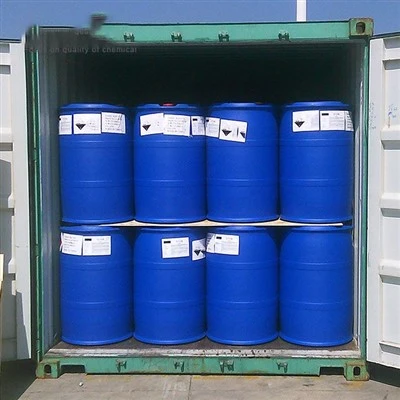
Hey there! As a supplier of High-purity Oxygen, I often get asked if it can be used in the paper industry. Well, let's dive right into this question and explore the ins and outs of using high-purity oxygen in paper-making.
The Basics of High-purity Oxygen
First off, what exactly is High-purity Oxygen? High-purity oxygen is oxygen that has been refined to a very high level of purity. Usually, it contains very few impurities, making it suitable for a variety of applications where purity matters.
Now, how does it stack up against other gases? We also have other high - purity gases like High-Purity Argon, Carbon Dioxide Standard Gas, High-Purity Nitrogen, and Helium Standard Gas. Each gas has its own unique properties and uses, but today we're focused on high-purity oxygen and its potential in the paper industry.
The Paper Industry: A Brief Overview
Before we talk about oxygen's role, let's quickly go over how the paper industry works. The paper - making process typically involves several steps. First, raw materials like wood pulp, recycled paper, or agricultural residues are collected. These materials are then broken down into fibers, often using chemicals or mechanical means.
Next, the fiber suspension is formed into a sheet on a wire mesh. Water is drained from the sheet, and then it goes through pressing and drying processes. Finally, the paper is finished through processes like calendaring to achieve the desired smoothness and thickness.
Can High-purity Oxygen Be Used in the Paper Industry?
The answer is a resounding yes! High-purity oxygen has several important applications in the paper industry:
Pulping Process
In the pulping process, oxygen can be used in chemical pulping methods such as the Kraft process. Oxygen delignification is a key step that uses high-purity oxygen to remove lignin from the wood pulp. Lignin is a complex polymer that holds the wood fibers together, and removing it helps to improve the strength and brightness of the pulp.
Using high-purity oxygen in this step has several advantages. It's a more environmentally friendly alternative to some traditional chemicals used for delignification. It reduces the amount of other harmful chemicals needed, which in turn decreases the environmental impact of the paper - making process. Also, it can improve the quality of the pulp by reducing the kappa number (a measure of the lignin content in the pulp), resulting in stronger and brighter paper.
Bleaching Process
Bleaching is another area where high-purity oxygen shines. Oxygen can be used as a bleaching agent either alone or in combination with other bleaching chemicals. When used in oxygen bleaching, it helps to break down the remaining lignin and colored substances in the pulp, making the paper whiter.
This method is not only effective but also more sustainable. It reduces the use of chlorine - based bleaching agents, which are known to produce harmful by - products such as dioxins. By using high-purity oxygen in bleaching, paper mills can produce paper that is not only of high quality but also more environmentally friendly.
Combustion and Energy Generation
In paper mills, high - purity oxygen can also be used in combustion processes. It can be injected into boilers or furnaces to enhance the combustion efficiency of fuels. When oxygen is added to the combustion air, it increases the oxygen concentration, allowing for more complete combustion of the fuel.
This results in several benefits. First, it increases the heat output, which can improve the energy efficiency of the mill. Second, it reduces the amount of unburned fuel and pollutants emitted into the atmosphere. So, it's a win - win situation for both energy savings and environmental protection.
Considerations When Using High-purity Oxygen in the Paper Industry
While high - purity oxygen has many advantages in the paper industry, there are also some things to consider:
Safety
Oxygen is a highly reactive gas, and working with high - purity oxygen requires strict safety measures. Paper mills need to have proper ventilation systems in place to prevent the accumulation of oxygen in enclosed spaces. They also need to train their employees on how to handle oxygen safely to avoid the risk of fire or explosion.
Cost
The cost of high - purity oxygen can be a factor. While the long - term benefits in terms of improved quality and environmental impact are significant, paper mills need to carefully evaluate the cost - effectiveness of using high - purity oxygen. However, with the increasing focus on sustainability and the need to meet environmental regulations, the cost may be offset by the potential savings and benefits in the long run.
Equipment Compatibility
Paper mills need to ensure that their existing equipment is compatible with high - purity oxygen. Some equipment may need to be modified or upgraded to handle the use of oxygen safely and effectively. This can involve installing new valves, pipes, and monitoring systems.
Final Thoughts and Call to Action
In conclusion, high - purity oxygen can definitely be used in the paper industry, and it offers a range of benefits from improving pulp and paper quality to reducing environmental impact and enhancing energy efficiency.
If you're in the paper industry and interested in exploring the use of high - purity oxygen in your operations, I'd love to have a chat with you. Whether you have questions about the technical aspects, safety, or cost, I'm here to help. Don't hesitate to reach out to discuss your specific needs and see how high - purity oxygen can work for your paper mill.
Let's work together to make the paper - making process more efficient, sustainable, and high - quality!


References
- "Handbook of Pulp" by Christopher McDougall
- "Paper Chemistry" by James P. Casey
- Industry reports on sustainable paper - making technologies