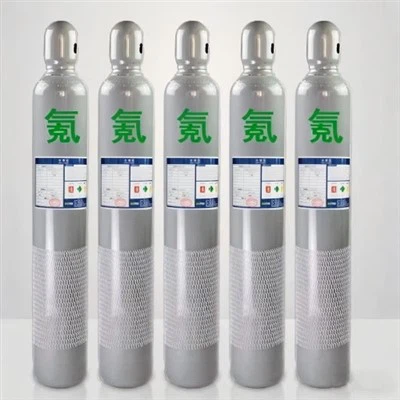
Product Overview
Methyl Mercaptan Gas is a colorless, flammable gas with a distinctive, extremely potent, and unpleasant odor reminiscent of rotten cabbage or garlic, detectable at very low concentrations (ppb levels). As the simplest thiol, this volatile organic sulfur compound is a crucial intermediate in organic synthesis and a key odorant for safety applications. Despite its offensive smell, methyl mercaptan plays vital roles in industrial processes and safety systems due to its high reactivity and powerful olfactory properties. The safe production and precise handling of methyl mercaptan are paramount due to its toxicity and flammability.
Basic Information
| CAS No. | 74-93-1 |
| UN No. | UN1064 (Methyl mercaptan) |
| Molecular Formula | CH₃SH |
| Hazard Classification | 2.3 (Toxic gas), 2.1 (Flammable gas) |
Key Attributes & Parameters
| Purity | Available in standard grades (typically >97-99%) for industrial use and high-purity grades for synthesis. |
| Physical State | Colorless gas at room temperature; can be liquefied under moderate pressure. |
| Boiling Point | 5.95 °C (42.7 °F) |
| Odor Threshold | Extremely low (<1 part per billion), making it an exceptionally effective odorant. |
| Key Properties | Highly flammable, toxic by inhalation, and possesses a characteristic and powerful thiol odor. |
Features & Advantages
Powerful Odorant
Its intensely foul odor at minute concentrations makes it one of the most effective warning agents for odorizing otherwise odorless hazardous gases like propane and natural gas.
Versatile Chemical Building Block
The thiol (-SH) group is highly reactive, allowing methyl mercaptan to serve as a key intermediate for introducing the methylthio (-SCH₃) group into more complex molecules in pharmaceuticals and pesticides.
Essential for Animal Nutrition
It is a critical intermediate in the biosynthesis of the essential amino acid methionine, which is produced industrially for animal feed additives.
High Reactivity
Readily undergoes reactions such as alkylation, oxidation, and addition, making it valuable in various synthetic pathways.
Functional Characteristics
Methyl Mercaptan Gas is often handled as a liquefied compressed gas in specialized cylinders. Its primary functional characteristic is the reactivity of its thiol group. It can act as a nucleophile, be easily oxidized to dimethyl disulfide, or participate in catalytic reactions. In odorization, it is injected in precisely controlled, tiny amounts (a few pounds per million cubic feet of gas) into natural gas or LPG streams. In synthesis, it is typically introduced into reactors under controlled conditions to react with other intermediates.
Primary Application Fields
Gas Odorization (Primary Use)
The dominant application is as a stenching agent for natural gas, liquefied petroleum gas (LPG), and other fuel gases to provide a clear leak warning.
Animal Feed Additives
Serves as a key precursor in the industrial synthesis of DL-methionine and its hydroxy analogue (HMTBa), essential amino acid supplements for poultry and livestock feed.
Pesticide & Pharmaceutical Synthesis
Used as an intermediate in the manufacture of various insecticides, fungicides, and certain pharmaceuticals (e.g., certain antibiotics and antivirals).
Chemical Synthesis
Employed in the production of other sulfur-containing chemicals, such as dimethyl sulfoxide (DMSO) and dimethyl disulfide.
Customer Collaboration Case
A leading global animal nutrition company required a reliable, high-volume supply of high-purity methyl mercaptan as the core sulfur feedstock for their methionine production plant. Their challenge was ensuring consistent quality and uninterrupted delivery to maintain continuous, efficient reactor operation, as any feedstock interruption or impurity would directly impact yield and product quality. We established a dedicated pipeline supply system directly from our production unit to their facility. We implemented stringent, real-time online purity monitoring and tailored the stabilization package in the methyl mercaptan to match their specific catalytic process. This strategic partnership guaranteed a consistent and reliable feed of high-purity methyl mercaptan, which allowed the customer to optimize their process parameters, achieve a 5% increase in annual methionine production yield, and strengthen their position as a top supplier in the global feed additives market.
FAQ
Hot Tags: methyl mercaptan gas, China methyl mercaptan gas manufacturers, suppliers, factory, Tert Dodecyl Mercaptan, sulfurized products, Hydrogen Sulfide CAS 7783 06 4, Tetrahydrothiophene CAS 110 01 0, Methyl Mercaptan Gas, Ethyl Mercaptan CAS 75 08 1