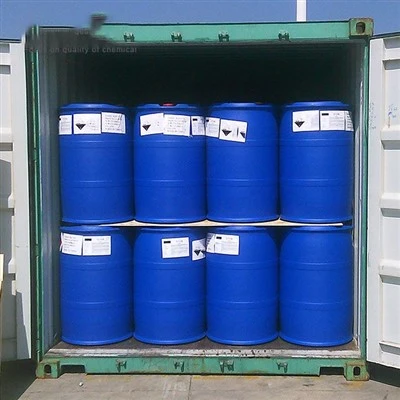
As a liquid xenon supplier, I understand the critical importance of transporting this precious and delicate substance safely and efficiently. Liquid xenon, a noble gas in its liquid state, is widely used in various scientific and industrial applications, including particle physics experiments, medical imaging, and lighting technologies. In this blog post, I will delve into the intricate process of transporting liquid xenon, highlighting the challenges, safety measures, and best practices involved.
Understanding Liquid Xenon
Before we explore the transportation process, it's essential to understand the unique properties of liquid xenon. Xenon is a colorless, odorless, and tasteless noble gas that exists in a gaseous state at room temperature and standard atmospheric pressure. However, when cooled to extremely low temperatures (-108.1°C or -162.6°F) and compressed, it condenses into a dense, clear liquid. Liquid xenon has a high density, excellent scintillation properties, and is chemically inert, making it an ideal medium for detecting and measuring ionizing radiation.
Challenges in Transporting Liquid Xenon
Transporting liquid xenon presents several challenges due to its extreme cold temperature, high density, and potential for leakage. Here are some of the key challenges we face:
Temperature Control
Maintaining the low temperature of liquid xenon is crucial to prevent it from boiling off and turning back into a gas. Specialized cryogenic containers, such as dewars or cryogenic tanks, are used to store and transport liquid xenon at temperatures close to its boiling point. These containers are designed with multiple layers of insulation to minimize heat transfer and keep the liquid xenon cold.
Pressure Management
Liquid xenon is stored under high pressure to keep it in a liquid state. During transportation, it's essential to monitor and control the pressure inside the containers to prevent overpressure and potential rupture. Pressure relief valves and gauges are installed on the containers to ensure safe operation.
Leakage Prevention
Liquid xenon is a valuable and potentially hazardous substance. Any leakage during transportation can result in significant losses and pose a safety risk to the environment and personnel. To prevent leakage, the containers are equipped with tight seals and valves, and regular inspections are conducted to ensure their integrity.
Regulatory Compliance
Transporting liquid xenon is subject to strict regulations and safety standards to ensure the protection of human health and the environment. These regulations govern the packaging, labeling, handling, and transportation of hazardous materials, including liquid xenon. As a supplier, we must comply with these regulations and obtain the necessary permits and approvals before transporting liquid xenon.
Transportation Methods
There are several methods for transporting liquid xenon, depending on the quantity, distance, and destination. Here are some of the most common transportation methods:
Road Transport
Road transport is the most common method for transporting liquid xenon over short to medium distances. Specialized trucks equipped with cryogenic tanks are used to transport the liquid xenon safely and efficiently. These trucks are designed to maintain the low temperature and pressure of the liquid xenon during transit.
Rail Transport
Rail transport is a cost-effective and efficient method for transporting large quantities of liquid xenon over long distances. Specialized railcars equipped with cryogenic tanks are used to transport the liquid xenon safely and securely. Rail transport is also subject to strict regulations and safety standards to ensure the protection of human health and the environment.
Air Transport
Air transport is the fastest and most efficient method for transporting liquid xenon over long distances. However, it is also the most expensive and subject to strict regulations and safety standards. Specialized aircraft equipped with cryogenic containers are used to transport the liquid xenon safely and securely. Air transport is typically used for urgent or high-value shipments.


Safety Measures
Transporting liquid xenon requires strict safety measures to ensure the protection of human health and the environment. Here are some of the safety measures we take:
Training and Certification
All personnel involved in the transportation of liquid xenon must receive specialized training and certification to handle hazardous materials safely. This includes training on the properties of liquid xenon, the use of cryogenic equipment, and the emergency response procedures.
Packaging and Labeling
Liquid xenon is packaged in specialized cryogenic containers that are designed to withstand the extreme cold and pressure. The containers are labeled with the appropriate hazard warnings and handling instructions to ensure safe transportation.
Emergency Response
In the event of an emergency, such as a leak or spill, we have a comprehensive emergency response plan in place. This includes procedures for evacuating the area, containing the spill, and notifying the appropriate authorities.
Monitoring and Inspection
Regular monitoring and inspection of the cryogenic containers and transportation equipment are conducted to ensure their integrity and safety. This includes checking the temperature, pressure, and level of the liquid xenon, as well as inspecting the seals and valves for any signs of damage or leakage.
Best Practices
To ensure the safe and efficient transportation of liquid xenon, we follow several best practices:
Pre-Transportation Planning
Before transporting liquid xenon, we conduct a thorough risk assessment and develop a detailed transportation plan. This includes identifying the route, mode of transportation, and any potential hazards or risks along the way.
Quality Control
We maintain strict quality control measures to ensure the purity and quality of the liquid xenon. This includes conducting regular tests and inspections to ensure that the liquid xenon meets the required specifications.
Communication and Coordination
We maintain open communication and coordination with all parties involved in the transportation of liquid xenon, including the shippers, carriers, and regulatory authorities. This ensures that everyone is aware of the transportation plan and any potential hazards or risks.
Continuous Improvement
We are committed to continuous improvement in our transportation processes and safety measures. We regularly review and update our procedures and practices to ensure that we are using the latest technologies and best practices in the industry.
Conclusion
Transporting liquid xenon is a complex and challenging process that requires strict safety measures and best practices. As a liquid xenon supplier, we are committed to ensuring the safe and efficient transportation of this precious and delicate substance. By following the guidelines and best practices outlined in this blog post, we can minimize the risks and ensure the protection of human health and the environment.
If you are interested in purchasing liquid xenon or have any questions about our transportation services, please contact us for more information. We look forward to working with you to meet your liquid xenon needs.
References
- International Atomic Energy Agency. (2019). Transport Regulations for Radioactive Material.
- United Nations. (2019). Recommendations on the Transport of Dangerous Goods.
- Occupational Safety and Health Administration. (2019). Hazardous Materials Regulations.
- Hydrogen Fluoride CAS 7664-39-3 [Online]. Available: /bottled-gas/hydrogen-fluoride-cas-7664-39-3.html
- Chloroethane CAS 75-00-3 [Online]. Available: /bottled-gas/chloroethane-cas-75-00-3.html
- Vinyl Chloride CAS 75-01-4 [Online]. Available: /bottled-gas/vinyl-chloride-cas-75-01-4.html