


Product Overview
Methane and Methane Calibration Gas is the simplest hydrocarbon and the primary component of natural gas, serving as a fundamental energy resource and crucial chemical feedstock. This colorless, odorless, and flammable gas is the most abundant organic compound on Earth and plays a central role in the global energy transition. As a versatile and cleaner-burning fuel, methane is essential for power generation, heating, and industrial processes. Beyond its energy value, high-purity methane is also a critical raw material for producing hydrogen, methanol, and other essential chemicals, making it a cornerstone of modern industry and sustainable technology development.


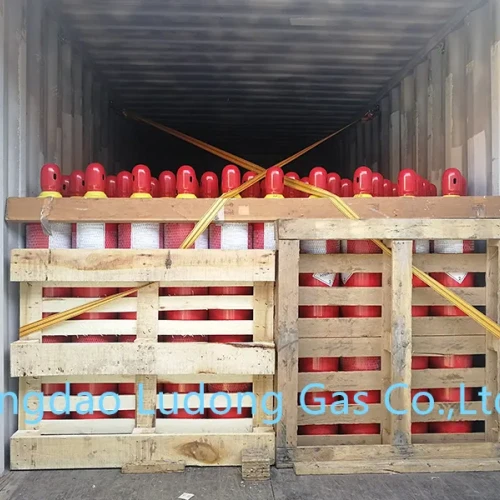


Basic Information
| CAS No. | 74-82-8 |
| UN No. | UN1971 (Methane, compressed) or UN1972 (Methane, refrigerated liquid) |
| Molecular Formula | CH₄ |
| Hazard Classification | 2.1 (Flammable gas) |
Key Attributes & Parameters
| Purity | Available in various grades from pipeline natural gas (typically 85-95% methane) to high-purity grades exceeding 99.9% for specialized applications. |
| Physical State | Colorless, odorless gas at standard conditions; can be liquefied at -161.5°C (-258.7°F) to form liquefied natural gas (LNG). |
| Boiling Point | -161.5 °C (-258.7 °F) |
| Autoignition Temperature | 537 °C (999 °F) |
| Lower Explosive Limit (LEL) | 5% by volume in air |
| Specific Gravity | 0.554 (lighter than air) |
| Calorific Value | ~50 MJ/kg (higher heating value) |
Features & Advantages
Abundant and Economical Energy Source
As the main component of natural gas, methane is widely available through extensive pipeline networks and LNG infrastructure, providing a cost-effective and reliable energy supply.
Cleanest-Burning Hydrocarbon Fuel
When combusted completely, methane produces fewer CO₂ emissions per unit of energy released compared to other fossil fuels like coal or oil, along with minimal particulate matter and SOx emissions.
Versatile Chemical Building Block
Through processes like steam methane reforming (SMR), methane is the primary industrial source of hydrogen and a key feedstock for producing methanol, ammonia, and acetylene.
Critical for Decarbonization
As a lower-carbon transitional fuel and a potential source of blue hydrogen (with carbon capture), methane is integral to many pathways toward a net-zero emissions future.
Functional Characteristics
Methane Calibration Gas as a high-energy fuel and a reactive chemical precursor. Its combustion releases significant heat energy, making it suitable for direct use in heating, power generation, and industrial furnaces. Chemically, its strong C-H bonds can be activated under specific conditions. In steam reforming, it reacts with water at high temperatures over a catalyst to produce syngas (H₂ + CO), the gateway to numerous chemicals. It is transported globally via pipelines as a gas or shipped as refrigerated liquefied natural gas (LNG). For safety, an odorant (like mercaptan) is typically added when used as a fuel gas.
Primary Application Fields
Energy & Power Generation
Primary fuel for residential and commercial heating, electricity generation in gas turbines and combined-cycle power plants, and combined heat and power (CHP) systems.
Chemical Manufacturing
The principal feedstock for producing hydrogen (via SMR), methanol, ammonia (for fertilizers), and synthesis gas for various chemical processes (oxo-synthesis, Fischer-Tropsch).
Industrial Processes
Used as a fuel and reducing agent in steelmaking, glass production, and ceramic manufacturing; also as a process heat source.
Transportation Fuel
Compressed natural gas (CNG) and liquefied natural gas (LNG) are used as cleaner alternatives to diesel in trucks, buses, and ships.
Emerging Technologies
Feedstock for producing carbon black, hydrogen fuel cells, and as a potential source for direct methane-to-chemicals processes.
Customer Collaboration Case
A large fertilizer producer aiming to reduce its carbon footprint and secure a cost-competitive hydrogen supply partnered with us to transition its ammonia synthesis feedstock. The company required a reliable, high-volume supply of methane as the primary feed for a new, state-of-the-art steam methane reforming (SMR) plant with integrated carbon capture and storage (CCS). We established a dedicated, high-pressure pipeline connection from our natural gas processing hub to deliver a consistent stream of specification-grade methane. Our supply agreement included real-time quality monitoring to ensure optimal SMR catalyst performance and efficiency. The reliable methane feedstock, coupled with the new CCS-enabled SMR unit, allowed the customer to produce "blue ammonia" with approximately 90% lower CO₂ emissions compared to its conventional plant. This partnership not only secured their long-term hydrogen supply but also positioned them as a leader in low-carbon fertilizer production, opening access to premium markets focused on sustainable agriculture.
Hot Tags: methane calibration gas, China methane calibration gas manufacturers, suppliers, factory, Industrial Cyclopropane, N Butene 99 50 , 1 2 propadiene Allene , Pure Ethylene, Liquefied Propane Gas, Liquid Isoprene 99 50


